High Altitude Sickness Prevention & Treatment at Our Pharmacy

Travelling to high altitudes can be an incredible experience — whether you’re trekking in the Himalayas, climbing Kilimanjaro, skiing in the Andes, or exploring high-altitude destinations across the world. But with altitude comes risk. Many travellers experience altitude sickness, which can range from mild symptoms like headaches and fatigue, to more serious conditions affecting the brain and lungs.

At our pharmacy, we provide a convenient altitude sickness prevention service, including a consultation and supply of medication when appropriate. Our goal is to help you travel safely and reduce your risk of complications at high elevations
What is Altitude Sickness?

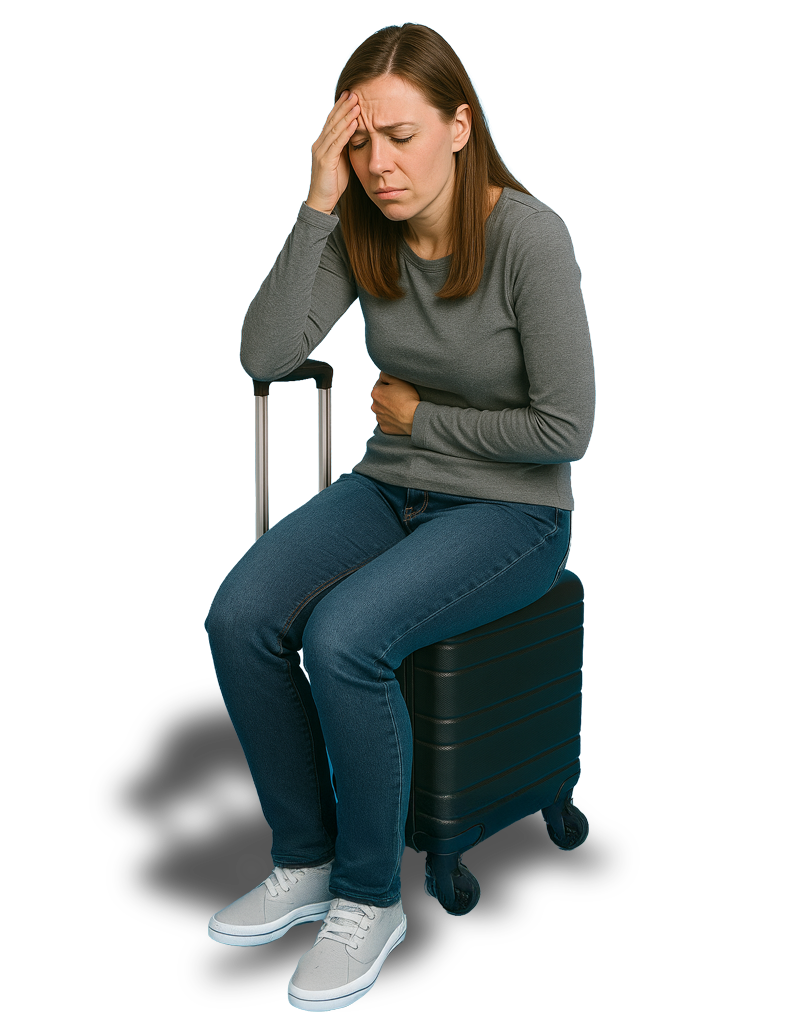
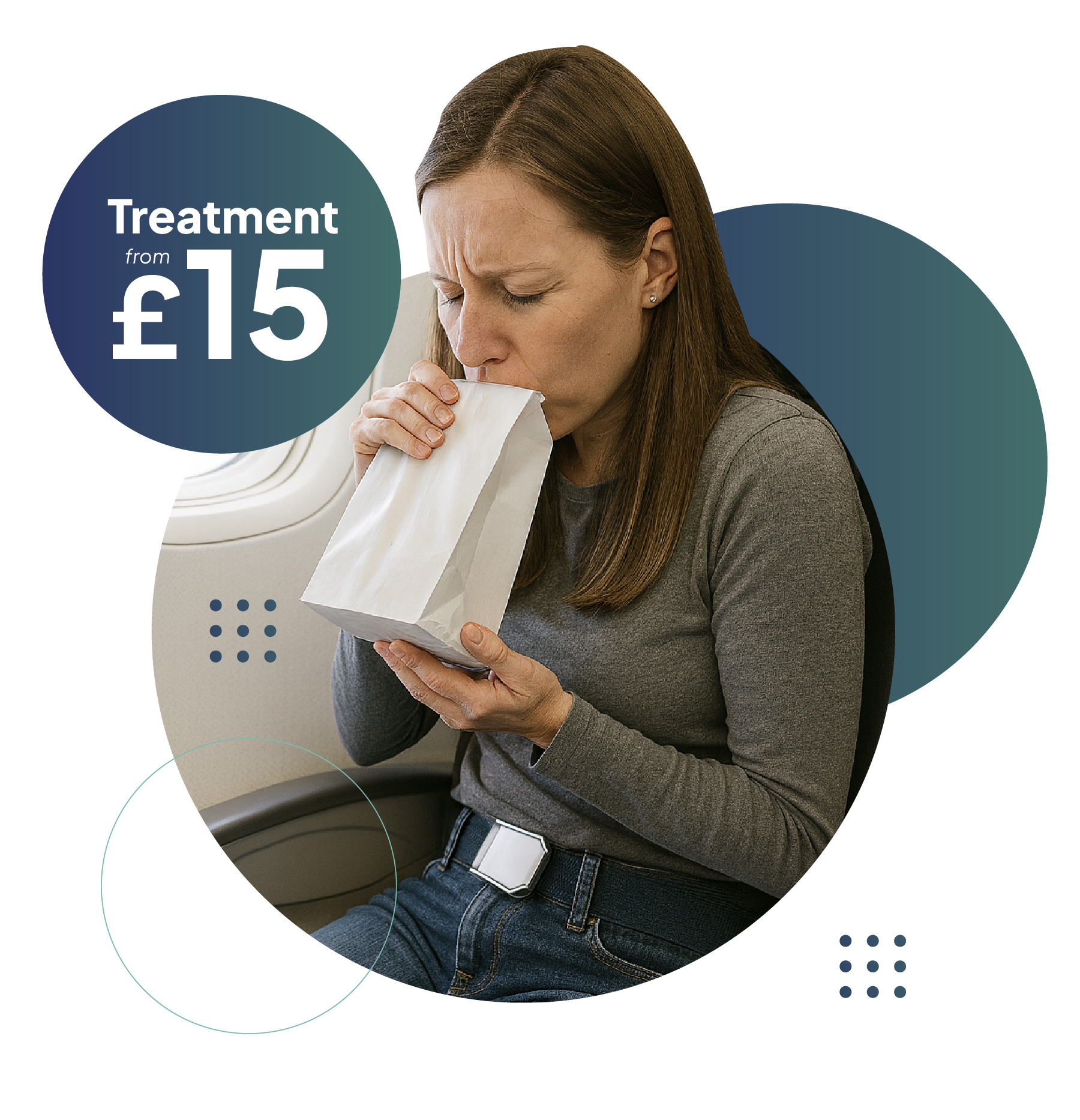
Altitude sickness, also known as acute mountain sickness (AMS), occurs when your body struggles to adapt to lower oxygen levels at high elevations. Symptoms usually appear within hours of ascent and can include:

  • Headache

  • Nausea or vomiting

  • Fatigue and weakness

  • Dizziness or light-headedness

  • Sleep disturbance

In more severe cases, altitude sickness can progress to:

  • High Altitude Cerebral Oedema (HACE): swelling of the brain, causing confusion, difficulty walking, and loss of coordination

  • High Altitude Pulmonary Oedema (HAPE): fluid build-up in the lungs, leading to cough, shortness of breath, and potentially life-threatening complications

What is Altitude Sickness?

Altitude sickness, also known as acute mountain sickness (AMS), occurs when your body struggles to adapt to lower oxygen levels at high elevations. Symptoms usually appear within hours of ascent and can include:

  • Headache

  • Nausea or vomiting

  • Fatigue and weakness

  • Dizziness or light-headedness

  • Sleep disturbance

In more severe cases, altitude sickness can progress to:

  • High Altitude Cerebral Oedema (HACE): swelling of the brain, causing confusion, difficulty walking, and loss of coordination

  • High Altitude Pulmonary Oedema (HAPE): fluid build-up in the lungs, leading to cough, shortness of breath, and potentially life-threatening complications

WHO IT’S FOR

Who Can Use the Service?

This service is for adults aged 18 and over who are travelling to high altitude areas and are considered at moderate to high risk of developing altitude sickness.

You may be at risk if:

  • You are ascending quickly above 2,500m–2,800m in a single day

  • You have a history of altitude sickness

  • You are climbing above 3,000m without adequate acclimatisation

  • You are attempting rapid ascents (e.g. Mt Kilimanjaro in under 7 days)

Exclusion Criteria

You may not be suitable for this service if you:

  • Are under 18 years of age

  • Are pregnant or breastfeeding

  • Have severe kidney or liver disease

  • Have conditions affecting sodium/potassium levels (e.g. adrenal gland failure)

  • Are allergic to sulphonamides (the group of medicines acetazolamide belongs to)

  • Have certain medical conditions such as severe depression, psychiatric illness, or uncontrolled epilepsy

  • Are taking certain medicines (e.g. lithium, aspirin, sodium bicarbonate, some epilepsy medicines, or methenamine)

Our pharmacist will carefully review your medical history during your consultation to ensure this treatment is safe for you.

WHO IT’S FOR

Who Can Use the Service?

This service is for adults aged 18 and over who are travelling to high altitude areas and are considered at moderate to high risk of developing altitude sickness.

You may be at risk if:

  • You are ascending quickly above 2,500m–2,800m in a single day

  • You have a history of altitude sickness

  • You are climbing above 3,000m without adequate acclimatisation

  • You are attempting rapid ascents (e.g. Mt Kilimanjaro in under 7 days)

Exclusion Criteria

You may not be suitable for this service if you:

  • Are under 18 years of age

  • Are pregnant or breastfeeding

  • Have severe kidney or liver disease

  • Have conditions affecting sodium/potassium levels (e.g. adrenal gland failure)

  • Are allergic to sulphonamides (the group of medicines acetazolamide belongs to)

  • Have certain medical conditions such as severe depression, psychiatric illness, or uncontrolled epilepsy

  • Are taking certain medicines (e.g. lithium, aspirin, sodium bicarbonate, some epilepsy medicines, or methenamine)

Our pharmacist will carefully review your medical history during your consultation to ensure this treatment is safe for you.

The medicine most commonly used for altitude sickness prevention is

Acetazolamide (Diamox)

How it works: Acetazolamide helps your body acclimatise faster by making you breathe a little deeper and more frequently, which increases oxygen uptake.

  • Typical dose: 125mg twice daily (half of a 250mg tablet, morning and evening)

  • Start 1–2 days before ascent and continue for at least 2 days after reaching your highest altitude

  • Continue treatment until you have acclimatised

  • Tablets should be swallowed with water and taken with food

Please note: This medicine is supplied off-label for altitude sickness (meaning it’s not licensed for this purpose in the UK, but is supported by national and international guidance).

Most people tolerate acetazolamide well, but some may experience: Increased urination, Tingling or pins and needles in fingers/toes, Nausea or vomiting, Taste disturbance, Headache or Drowsiness

Rare but serious side effects can occur, including severe allergic reactions, blood disorders, or pulmonary oedema. Our pharmacist will explain all potential risks during your consultation.

The medicine most commonly used for altitude sickness prevention is

Acetazolamide (Diamox)

How it works: Acetazolamide helps your body acclimatise faster by making you breathe a little deeper and more frequently, which increases oxygen uptake.

  • Typical dose: 125mg twice daily (half of a 250mg tablet, morning and evening)

  • Start 1–2 days before ascent and continue for at least 2 days after reaching your highest altitude

  • Continue treatment until you have acclimatised

  • Tablets should be swallowed with water and taken with food

Please note: This medicine is supplied off-label for altitude sickness (meaning it’s not licensed for this purpose in the UK, but is supported by national and international guidance).

Most people tolerate acetazolamide well, but some may experience: Increased urination, Tingling or pins and needles in fingers/toes, Nausea or vomiting, Taste disturbance, Headache or Drowsiness

Rare but serious side effects can occur, including severe allergic reactions, blood disorders, or pulmonary oedema. Our pharmacist will explain all potential risks during your consultation.

Frequently Asked Questions (FAQs)

• No GP appointment needed — fast and convenient service

• Expert travel health advice tailored to your itinerary

• Safe prescribing in line with national guidance

• Clear instructions on how to take medication and recognise warning signs

Not always. If you ascend gradually and give your body time to acclimatise, you may not need medication. However, for rapid ascents or if you’ve previously had altitude sickness, tablets are strongly recommended.

Painkillers such as ibuprofen or paracetamol can help with mild symptoms like headache, but they do not prevent or treat altitude sickness. Acetazolamide is the only proven medication to help your body adapt.

It begins to work within hours, but it is most effective when started 1–2 days before ascent.

Alcohol can worsen dehydration and altitude symptoms. It is best avoided when at high altitude and while taking this medicine.

The most important treatment is to stop ascending and descend if symptoms worsen. Medication can help, but it is not a substitute for acclimatisation or descent in severe cases.

Book your consultation today and travel with confidence knowing you’re protected against altitude sickness.

Book online now or call us on 01889 562063 to speak with a member of our pharmacy team.